

Rakayana Agrinusa
Mastic Chios-GRADE A+ Greece-For incense, medicine & perfume. Natural Chewing Gum-Μαστίχα-Chios Mastic-Pistacia Lentiscus-Greece (1KG)
Mastic Chios-GRADE A+ Greece-For incense, medicine & perfume. Natural Chewing Gum-Μαστίχα-Chios Mastic-Pistacia Lentiscus-Greece (1KG)
Обычная цена
$10.00 USD
Обычная цена
$8.00 USD
Цена со скидкой
$10.00 USD
Цена за единицу
за
Стоимость доставки рассчитывается при оформлении заказа.
Не удалось загрузить сведения о доступности самовывоза
Very high quality Indonesian gum, Dipterocarpaceae
This sale is for 25 grams
It is in nice pieces ideal for the burner
When I burn this as incense it is quick burning and it has a mild spacious fruity feel with it .It mixes well with other components in the construction of incense .
Dammar gum, or damar gum, is obtained from the Dipterocarpaceae family of trees in India and East Asia,
Dammar can be used in foods, as a clouding or glazing agent, varnish and other products. Dammar varnish, made from dammar gum mixed with turpentine, was introduced as a picture varnish in the early 19th century commonly used in oil painting, both during the painting process and after the painting is finished.
Dammar crystals are also dissolved in molten paraffin wax to make batik, to prevent the wax from cracking when it is drawn onto silk or rayon.
A brief history of incense
Long before the emergence of the great civilisation primitive man burned fragrant leaves and logs on their campfires and watched the smokes rise to the heavens. The recorded history of incense begins with the rise of the first civilisations more than 5500 years ago.
Incense is considered as one of the first fragrant materials to have been used by humans. It was found especially in the ingredients of balms that were used for the mummification of Egyptians. It was also burned in the temples to communicate with the deities by Roman and Greek worlds
More recent versions of incense are sticks cones ropes and countless other variations. There are even incense balls, made from the perfumed product mixed with honey or fruit.
In Japan, incense is used to develop the art of smell in the Kodo and they burn incense according to the season. It has an aesthetic aspect of course, but it also associates with spirituality in agreement with the spirit of Zen and meditations.
Good luck with you incense making, meditate, learn, enjoy
Disclaimer:
Make sure you have read all of our policies they are important these statements and products have not been evaluated by the FDA. They are not intended to diagnose, treat, cure, or prevent any disease or condition. If you have a health concern or condition, consult your doctor. Always consult a medical doctor before using any new product.
The products in this store are soley for incense making purposes No products in this store are sold for medical or medicinal use or for human consumption
This sale is for 25 grams
It is in nice pieces ideal for the burner
When I burn this as incense it is quick burning and it has a mild spacious fruity feel with it .It mixes well with other components in the construction of incense .
Dammar gum, or damar gum, is obtained from the Dipterocarpaceae family of trees in India and East Asia,
Dammar can be used in foods, as a clouding or glazing agent, varnish and other products. Dammar varnish, made from dammar gum mixed with turpentine, was introduced as a picture varnish in the early 19th century commonly used in oil painting, both during the painting process and after the painting is finished.
Dammar crystals are also dissolved in molten paraffin wax to make batik, to prevent the wax from cracking when it is drawn onto silk or rayon.
A brief history of incense
Long before the emergence of the great civilisation primitive man burned fragrant leaves and logs on their campfires and watched the smokes rise to the heavens. The recorded history of incense begins with the rise of the first civilisations more than 5500 years ago.
Incense is considered as one of the first fragrant materials to have been used by humans. It was found especially in the ingredients of balms that were used for the mummification of Egyptians. It was also burned in the temples to communicate with the deities by Roman and Greek worlds
More recent versions of incense are sticks cones ropes and countless other variations. There are even incense balls, made from the perfumed product mixed with honey or fruit.
In Japan, incense is used to develop the art of smell in the Kodo and they burn incense according to the season. It has an aesthetic aspect of course, but it also associates with spirituality in agreement with the spirit of Zen and meditations.
Good luck with you incense making, meditate, learn, enjoy
Disclaimer:
Make sure you have read all of our policies they are important these statements and products have not been evaluated by the FDA. They are not intended to diagnose, treat, cure, or prevent any disease or condition. If you have a health concern or condition, consult your doctor. Always consult a medical doctor before using any new product.
The products in this store are soley for incense making purposes No products in this store are sold for medical or medicinal use or for human consumption
Materials
Materials
Shipping & Returns
Shipping & Returns
Dimensions
Dimensions
Care Instructions
Care Instructions


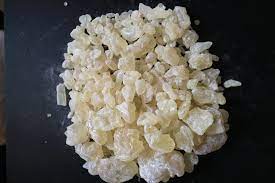
Image with text
Pair text with an image to focus on your chosen product, collection, or blog post. Add details on availability, style, or even provide a review.
-
Free Shipping
Pair text with an image to focus on your chosen product, collection, or blog post. Add details on availability, style, or even provide a review.
-
Hassle-Free Exchanges
Pair text with an image to focus on your chosen product, collection, or blog post. Add details on availability, style, or even provide a review.